Facebook Pixel Skip to main content

📣SCRIPT SALE! Treat yourself to an easier Fall. Save 30% on 5+ perusal scripts with code SPRING30 before May 3 and head into summer stress-free.

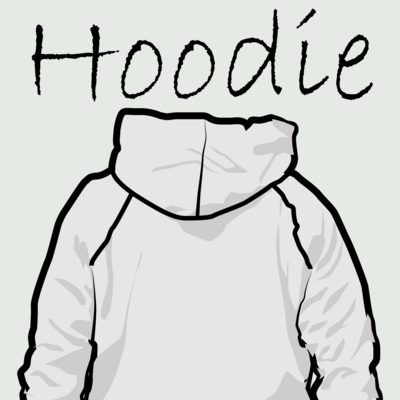
Hoodie

Hoodie

by Lindsay Price

Middle schoolers face a tornado of questions every day. What do I wear? What if I wear the wrong thing? What is she wearing? What do I look like? Stop looking at me!

Hoodie examines image and appearance in the vignette style and poses what may be the most difficult question of all – Do I stay in the clump or do I stand alone?

Dramedy Character Study Choral Work Issue-Based Movement-based Vignettes

Average Producer Rating:

This is a vignette play!

Recommended for Middle Schools

Running Time
About 35 minutes
Approximate; excludes intermissions and scene changes
Cast
11 Characters
4 M | 7 F, Expandable to 18F 13M
Set
Simple Set
Length
38 pages
Free Excerpt

What to order?

Not sure what you need to order? Check out our pricing and ordering guide.

Performance Royalty Fees

Royalty fees apply to all performances whether or not admission is charged. Any performance in front of an audience (e.g. an invited dress rehearsal) is considered a performance for royalty purposes.

Exemption details for scenes and monologues for competition.

11 Characters
4 M, 7 F, Expandable to 18F 13M

Characters in this play are currently identified as male or female. Directors are welcome to assign any gender (binary or non-binary) to any character and modify pronouns accordingly.


Man One:
Ben [M] 18 lines
Isn’t gonna get hit by capital letters.
Ryan [M] 6 lines
Wonders if Jimmy just woke up that way.
Boy [M] 4 lines
Trying to get that sweet spot between too much and too little cologne.
Jonas [M]
Has trouble with the gym teacher. One monologue.

Man Two:
Lucas [M] 13 lines
Once saw someone eat thirty-seven hotdogs.
Father [M] 27 lines
Is concerned that his son is happy.
Jeremy [M] 26 lines
Getting shoes with his mom.

Man Three:
Dr. Lou [M] 27 lines
An expert in “the change.”
Flimflam [M] 27 lines
A clothing hustler.

Man Four:
Aiden [M] 4 lines
Knows there’s nothing wrong with being “too”. One monologue.
Nicholas [M] 16 lines
Has a father and mother than expect him to crumble. Doesn’t.
Jimmy [M] 8 lines
Doesn’t think it’s hip to be square.
Jazz [M] 14 lines
Thanks Briana is a pain.

Woman One:
Hoodie [F] 7 lines
Stands up to the Clump. One Monologue.

Woman Two:
Natalie [F] 5 lines
Has her confidence shaken. One monologue.
Mom [F] 26 lines
Helps Jeremy pick out shoes.
Ashley [F] 16 lines
Cheerleader coming through!

Woman Three:
Emily [F] 17 lines
Thinks Emma looks fabulous.
Addison [F] 6 lines
Doesn’t want to turn into a square.
Amber [F] 15 lines
Super into Briana.

Woman Four:
Emma [F] 16 lines
Thinks Emily looks fabulous. Maybe not those shoes, though.
Tina [F] 20 lines
Getting a new nose at the body factory.
Bamboozle [F] 34 lines
Flimflam’s partner-in-crime.

Woman Five:
Charlotte [F] 28 lines
Unfriending Trilby.
Layla [F] 6 lines
Doesn’t believe it.
Bailey [F] 12 lines
Also dislikes Briana.

Woman Six:
Trilby [F] 28 lines
Unfriended by Charlotte. Taking it badly. One Monologue.
Rachel [F] 20 lines
Wants to know what’s so wrong with Tina’s current nose.
Neve [F] 11 lines
Likes the Hoodie.

Woman Seven:
Mother [F] 25 lines
Wants to know why her son is so well-adjusted.
Briana [F] 40 lines
Head cheerleader. Mad with power.

The Clump (chorus):
The Clump [A] 30 lines
Terrified to stand out in any way. One monologue.
Praise for Hoodie

Elizabeth Cordes
Tupper Lake Middle/High School
My students and I enjoyed exploring the real-life situations presented in this play, sometimes humorous, sometimes more serious or sad, but definitely on point. The casting was very flexible and allowed for larger roles as well as group work with a few, or no, solo lines. This was perfect for my group which featured actors in grades 6-8, some trying theater for the first time. Sets and costumes were easy - changing between scenes or characters was mainly achieved through lighting, props and/or adding a costume piece or hat.
Vince Faso
Redwood Day School
It's a wonderful vignette play that speaks to the middle school experience (was especially perfect for our 6th grade one-act)
Erin K Hulse
Tony Hillerman Middle School
The ensemble nature of this play was perfect for my students. The characters were real and resonated with 7th and 8th graders.

More Plays Like Hoodie

Funhouse

by Lindsay Price

This middle school play looks at the bullied, the bully, and the bystander through mostly non-verbal vignettes.

Box

by Lindsay Price

A middle school vignette play about the boxes we find ourselves in.

Boat

by Lindsay Price

In this one-act middle school vignette play, characters come face-to-face with the fact that there are other people in their boat. Some are different. Some only seem different.

La Caja

by Lindsay Price

A Spanish translation of the middle school vignette play Box.

Anxiety is Orange

by Lindsay Price

Join the characters in this vignette play as they navigate the world, each other, and the greens, greys, blues, reds, pinks, yellows, and oranges around them.

The Happiness Shop

by Lindsay Price

Why aren't middle school students full of smiles, hugs and hi-fives? They’re too young to have problems.

From the Drama Teacher Learning Centre

How to Boost Your Drama Class With Our Free Study Guides
Teaching Drama

How to Boost Your Drama Class With Our Free Study Guides

You’ve found the perfect play! It’s engaging, relevant, and a great fit for your students. BUT, you can’t produce it this year, for any number of reasons. Maybe your performance calendar is already full. Maybe your budget is looking more “two rolls of gaffer tape” than “full-scale production.” Or maybe your performance space won’t be available for months. What do you do? Good news: You don’t need to mount a production to make the most of a play. You can explore its characters, dialogue, and themes — minus the stress of auditions and tech week. That’s where Theatrefolk’s free Classroom Study Guides come in. These study guides are designed to help you get the most out of every script you read in class. And the best part? They’re totally free and ready to download whenever you need them. Before the Read: Build Curiosity and ConnectionsEvery guide starts with Pre-Read Questions and Activities to get students engaged before page one. These are short, focused exercises that: • Introduce the play’s themes and big ideas. • Encourage personal connections so students feel invested. • Spark curiosity about the story they’re about to read. Example: For Hoodie - a middle school vignette on self-image - the “Identity Chart” exercise asks students to explore how they see themselves, just as the characters do in the play. During the Read: From “What?” to “Why?”The Close Reading Questions are organized to guide students through three levels of thinking: 1. What happened? (Comprehension) 2. How did it happen? (Looking at language, staging, and character choices) 3. Why does it matter? (Making connections to playwright intention and personal experience) It’s a simple structure that works whether you’re reading aloud in class or assigning scenes for homework. You can use these questions as group discussion starters, exit slips, or reflections. Example: In Underwater, a powerful drama about a competitive teenage swimmer losing her love for the sport, students are asked to analyze the pacing and how it would affect an audience member. After the Read: Put Creativity Into ActionIt’s always important to have students explore a play beyond just reading the script. The Post-Read Activities give students the chance to bring the script to life without the pressure of a full production. They can: • Stage one key scene. • Design a poster that captures the mood of the play. • Write a brand-new monologue for a side character. It’s hands-on, it’s fun, and it keeps theatre-making front and center in your classroom. Example: In the adaptation of Lewis Carroll’s Alice, students can design costumes or rehearse a scene from a fresh angle, all while sharpening their performance instincts. Question: How do I find the free study guides for a play? Go to the individual play’s page and scroll down to the section with details like play length and cast size. There, you’ll see a message that says: Classroom Study Guide Download a free Classroom Study Guide for this play Just click the link to access your free digital guide! Ready to give it a try? Check out our full library of Classroom Study Guides, pair one with a Classroom Script License to bring the play to life in your classroom, and start building your next great drama class unit - no stage required.
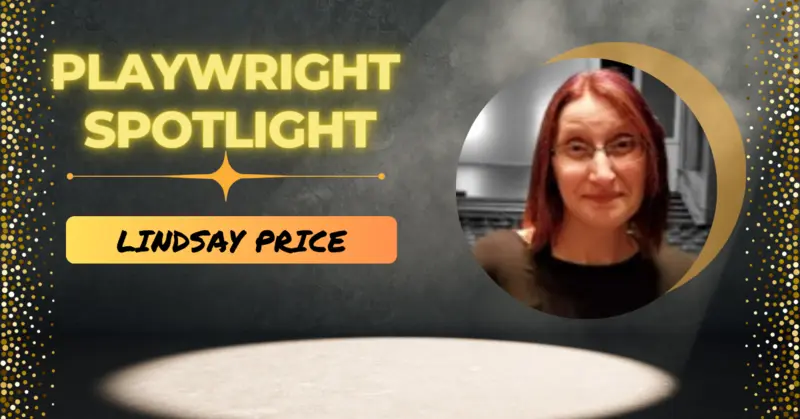
Playwright Spotlight - Lindsay Price
General

Playwright Spotlight: Get to Know Lindsay Price

Welcome to "Playwright Spotlight" — your exclusive backstage pass to the creative minds crafting the incredible plays featured in our Theatrefolk catalogue. Discover the magic, quirks, and genius of the playwrights who help bring the stage to life. Let's meet one of these exceptional playwrights who offers the chance for your student performers to shine in their spotlight. What inspired you to start writing plays specifically for middle school students? When I started my educational theatre playwriting career, I only focused on writing for high school. I didn't even consider the middle school market! But after a trip to a conference in Texas, I met so many middle school drama teachers over the course of a weekend who were looking specifically for plays written for middle school performers that dealt with middle school issues. And the big thing they told me middle school students didn’t want was fairy tales or similar childish stories. I took on the challenge and wrote School Daze as my first middle school specific play. Can you share a bit about your creative process when developing plays that resonate with middle school students?Talking to middle school teachers and students is the best way to develop plays that resonate. I've gone into classes and had discussions on topics, I've done workshops, and I always like to get plays in the hands of middle schoolers to get their feedback. They always have great insight into their own particular world and I appreciate hearing what they think. Are there any challenges you face when writing for middle school performers, and how do you overcome them?Middle school students aren't kids but they're not teenagers. That means that the topics, characters, and dialogue has to ring true in quite a narrow window. I've read many plays which are identified as middle school but the dialogue reads quite childish. I've seen plays that say they're appropriate for high school and middle school and they're clearly beyond the scope (in language and subject matter) of a 12 year old. And there are so many fairy tale adaptations out there! The best way to over come them these challenges is to share my work with middle school teachers and students. What themes or messages do you aim to convey through your middle school plays?For me, the biggest theme for middle school plays is identity. Middle school students go through some huge external and internal changes. They are at the age when they start making decisions about who they are, how they want others to see them, and how they see others. These are the stories and characters I want to share. How do you balance education and fun in your scripts for middle school productions?I don't think about it that way. I focus on characters experiencing a specific story. If I think about making something "educational" it's going to read stilted. Can you share a memorable experience or feedback from a middle school performance that left an impact on you?I have two related stories: First, I watched a 13 year old boy deliver one of my monologues in a competition. The character in the monologues talks about his life and how his family treat him after a suicide attempt. The monologue was written for a 16 year old character and the impact of seeing it done by a 13 year old was huge. This led me to question: does suicide happen in middle school? Secondly the director of one of my plays shared a rehearsal exercise she did with her cast in which her middle school students wrote on post-it notes the positive and negative things they say to themselves or hear others say to them.The negative board three times more post-its than the positive one. This led to the question: do middle school students get depressed? I fully admit, I didn't think so.That’s when I started researching the topic. I found that not only do middle school students get depressed but it’s often overlooked as laziness, and ignored because they’re seen as “too young” to be depressed. Many times the issue is never addressed. I knew I had to bring this issue to life in a play, which led to the play The Happiness Shop. Any advice for teachers or directors looking to choose engaging and age-appropriate plays for their middle schoolers?Talk to your students. What do they want to do plays about? Certainly there are limitations you may encounter from admin or parents, or even the students themselves. But the best thing I ever did as a writer was talk to students and learn their point of view of the world. What is your favourite middle school play you've written so far?My favourite middle school play that I've written is Box, which is part of the middle school trilogy of Hoodie, Box, and Boat. I've heard many times from teachers and students how authentic the characters and dialogue is. Having my writing seen as authentic, when I am so far away from being a middle school student myself, is something I'm really proud of.
Body Image in Drama Class
Classroom Exercise

Body Image in Drama Class

Students are hyper-aware of their looks and how they perceive their bodies. On top of this, they are also concerned about how others perceive their looks and bodies. With many classes occurring online this past year students may feel even more sensitive about their body image, as they can see themselves on their screens. Students may scrutinize their facial expressions and movements, worry that other students might be screenshotting them in an unflattering moment, or intentionally hold back in class for fear of looking foolish for being “too much” or “not enough.” As teachers, we want to encourage our students to have confidence in themselves and be proud of their bodies and what they can do. However, it’s a touchy topic, and it needs to be approached in a sensitive, thoughtful way. Our goal is to provide an environment where our students can feel supported and empowered. Try the following exercises with your students: Show & Share : Actively search for and show examples of performers of all shapes, sizes, and body types to your students (for example, Keala Settle’s performance of “This Is Me” from The Greatest Showman, Alex Newell performing “Mama Will Provide” from Once on this Island, or Evan Ruggiero tap-dancing). How do these performers/performances make your students feel? Does their physical appearance or body type affect their performance? Acting Challenge : Have students mime or create a tableau of their interpretations of the following words: • Confident • Powerful • Strong • Capable • Dynamic If you wish, have students brainstorm a list of people (friends, family, actors, musicians, etc.) who they think embody one or more of those words. What makes them think that? Does the person’s physical appearance have anything to do with it? Why or why not? Discussion/Reflection : Have your students respond to the following questions related to body image and drama (either as a discussion or a written reflection): • Do you think certain performers get typecast (playing the same types of roles over and over) because of their physical appearance? Can you think of any examples? How can this cycle be broken? Can you name an actor who has changed how they are perceived? • How can we honour and celebrate all body types, shapes, and looks in drama class? Onstage? Backstage? • How could a costumer provide a positive experience for all performers, regardless of differing body types? Play Study : Study, read, and perform plays focused on body image, such as Body Body, Emotional Baggage, or Hoodie (all from Theatrefolk!) with your students. Mini Challenge : For one week, if students think a negative thought about their physical selves, they must give themselves two compliments. The compliments can be about any aspect of themselves (they don’t have to be physical). Students will write those compliments down on a piece of paper or in a Word document (only the compliments, not the negative thoughts). On the Friday of that week, have them reflect on the following questions: • How did you feel after giving yourself two compliments each time? Was it easy or challenging to do? • Re-read the compliments you gave yourself. How does re-reading them today make you feel? • How can this challenge help make you a better performer?
Simple Set, Strong Theme: Hoodie
Featured Plays

Simple Set, Strong Theme: Hoodie

Hoodie by Lindsay Price is one of our most popular middle school plays that asks all of the tough questions that middle schoolers deal with every day. Middle schoolers face a tornado of questions every day. What do I wear? What if I wear the wrong thing? What is she wearing? What do I look like? Stop looking at me! Hoodie examines image and appearance in the vignette style and poses what may be the most difficult question of all – Do I stay in the clump or do I stand alone? Dorothy Lance and the incredibly talented group of student performers at Clark Lane Middle School in Waterford, Connecticut put on an evening of entertaining theatre for cast, crew and audiences alike: “Our show is over and was a great success. As a first act, we did Quippage, The Big Lie and Santa Runs a Sweat Shop, featuring my four graduating eighth graders. Great little plays for developing a character in a short piece. The second act was Hoodie, and got all the attention. Parents, students and staff had nothing but great comments. I had the clump in pale gray T shirts, dark jeans and white sneakers. Characters in scenes added small accent pieces to their costumes. What I liked best was that, including all four plays, I had 21 students playing more than 50 characters-a challenge for all of us. Thank you for your wonderful writing. Your understanding of the adolescent mind and personality provides an entertaining and insightful evening for all.”
A Unique Audition Experience: Hoodie
Featured Plays

A Unique Audition Experience: Hoodie

Relevant themes, easy-to-connect-to characters and fun, fun, fun! Hoodie by Lindsay Price examines appearance and image in middle school, allowing students to immerse themselves in subject matters and issues that they deal with every day. Middle schoolers face a tornado of questions every day. What do I wear? What if I wear the wrong thing? What is she wearing? What do I look like? Stop looking at me! Hoodie examines image and appearance in the vignette style and poses what may be the most difficult question of all – Do I stay in the clump or do I stand alone? The incredible middle school student performers at Gill St. Bernard’s School in Gladstone, New Jersey had an amazing experience with their production of Hoodie. Director Todd Ross shared how the show and performance really resonated with the entire cast – starting with a unique casting experience that really started off things on the right foot: “Some of the interesting and unique things I did with this show was to “audition” by having all 18 kids pick a character out of a hat. They were all like WHAT???? Are you serious??? To tell the truth, it is amazing how certain people got characters that were exactly like them, I don’t think I could have cast it better that what happened randomly. Several kids came to me after the show and told me that at first they didn’t like the play but by the end they loved it. They felt awkward at first (too close to reality) but through the process gained the confidence and comfort to be in those type of places. Wow, we (you, me, the show) did our job. The head of the middle school thinks this show should be on tour at schools all the time.”
Theatrefolk Featured Play – Hoodie by Lindsay Price
Featured Plays

Theatrefolk Featured Play – Hoodie by Lindsay Price

*Welcome to our Featured Play Spotlight. * Hoodie by Lindsay Price is one of our most popular middle school plays that asks all of the tough questions that middle schoolers deal with every day. Middle schoolers face a tornado of questions every day. What do I wear? What if I wear the wrong thing? What is she wearing? What do I look like? Stop looking at me! Hoodie examines image and appearance in the vignette style and poses what may be the most difficult question of all – Do I stay in the clump or do I stand alone? Why did we publish this play? Hoodie was our first middle school specific play. We started solely focused on the high school market but as we went to more and more conferences, we started meeting more and more middle school teachers. And what middle schoolers didn’t have a lot of was plays that had characters their age dealing with issues they were specifically going through. It was either fairy tales which are too young, or high school plays that aren’t right either. I’m proud of Hoodie (and the other plays that we’ve published that are middle school specific) and it remains one of our most popular plays to date. Let’s hear from the author!1. Why did you write this play? This was the first play I wrote specifically for middle school. We started going to middle school specific conferences and realized these students don’t want to do fairy tales – they want characters and subjects that are relevant to their experience. 2. Describe the theme in one or two sentences. This play examines appearance and image in middle school. 3. What’s the most important visual for you in this play? The Clump. I love this group of characters and I feel for them! 4. If you could give one piece of advice for those producing the play, what would it be? Don’t give up on the Clump! This is the one group of characters that I get the most questions about. There are no shortcuts, it takes practice, practice and more practice both with movement and with dialogue. But when you get it, it will look and sound amazing. 5. Why is this play great for student performers? The topic is relevant, the characters are easy to connect to, and it’s fun!
Life Lessons Learned: Hoodie
Featured Plays

Life Lessons Learned: Hoodie

Middle schoolers face a tornado of questions every day. What do I wear? What if I wear the wrong thing? What is she wearing? What do I look like? Stop looking at me! Hoodie by Lindsay Price examines image and appearance in the vignette style and poses what may be the most difficult question of all – Do I stay in the clump or do I stand alone? The drama students at Washington Jr. High School in Manitowoc, WI asked and answered these tough questions in their performance of Hoodie. From the first read-through to the set design to opening night, it is obvious that this was a true labour of love. Not only were the students able to gain experience and insight into the theatrical process, but they were able to truly relate to the theme and messaging throughout the play: “You should learn how to be an individual and do what you want to do in your life.” “You don’t always have to be in a certain group. Just be yourself. Be unique.”
Theatrefolk’s Top 10: Plays About Empathy
Featured Plays

Theatrefolk’s Top 10: Plays About Empathy

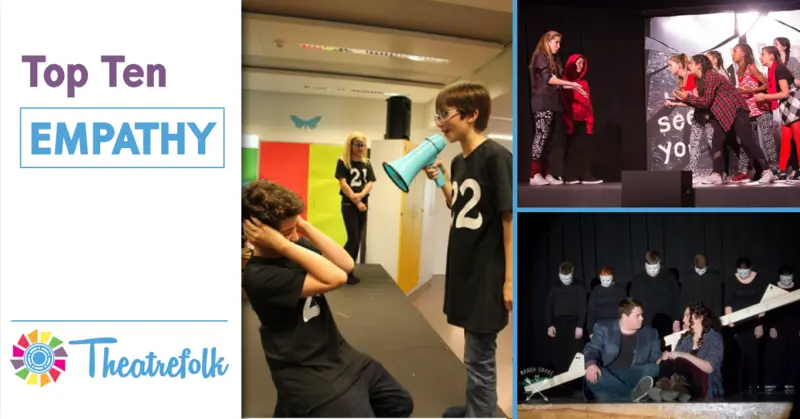
Time for a Tfolk Top Ten Plays About….Empathy. Based on the idea that empathy is the act understanding and sharing another person’s experience, these plays open the door to looking out to others rather than looking in. Use these plays to spark to an empathy discussion. Click the link and you’ll be taken to the webpage for each play. There you’ll get the details and read sample pages. Hand this list over to your student directors and see what they think. All the best with your search!
An Introspective Middle School Journey: Hoodie
Featured Plays

An Introspective Middle School Journey: Hoodie

Middle school can be tough. What do I wear? What if I wear the wrong thing? What is she wearing? What do I look like? Stop looking at me! Hoodie by Lindsay Price examines image and appearance in the vignette style and poses what may be the most difficult question of all – Do I stay in the clump or do I stand alone? The drama group at Turning Point School in Culver City, California asked themselves some of these tough questions as they navigated their way through this issue-based dramedy. Director Jane McEneaney shares her thoughts on this amazing journey: “I’m writing to thank you for your play, HOODIE. We performed on Friday and it was so successful. The play is just the tip of the iceberg. The girls (no boys signed up) learned so much about themselves. It was fantastic! The girls also sponsored a Mirror-Free Friday in honor of the show. This involved covering the bathroom mirrors with paper and inviting everyone to look at the beauty inside and write positive comments on the paper. I can’t thank you enough for this script. As well, the cast did a talk-back with the audience after the performance and revealed quite a bit about their own struggles and how that challenged them as actors.” Great job, Turning Point School!
Theatrefolk Featured Play: Boat by Lindsay Price
Featured Plays

Theatrefolk Featured Play: Boat by Lindsay Price

Welcome to our Featured Play Spotlight. We’re excited to introduce a brand new play to our catalogue! If you’re a fan of Hoodie and Box, then you definitely want to check out Boat by Lindsay Price. Sometimes it’s easy to see the world as your own personal sinking ship. It’s way easier to look into our own whirlpool than look out at what’s going on with others. I don’t care about them. Why should I? They’re not like me. They’re wrong. In this one-act middle school vignette play, characters come face-to-face with the fact that there are other people in their boat. Some are different. Some only seem different. Who will learn to paddle together? Who will spin in circles? Who will realize we’re all in the same boat and we always have been? Let’s hear from the author! 1. Why did you write this play? Boat is the third play in a trilogy of vignette plays I wrote about middle school life – the others being Hoodie and Box. Middle school is a time when students are so focused on themselves and how they present in the world. To that end, for this play I wanted to put the emphasis on looking outward rather than inward. 2. Describe the theme in one or two sentences. The theme of the play is empathy. How do we empathize with others? How do we realize that we’re all in the same boat and always have been? 3. What’s the most important visual for you in this play? The first visual that comes to mind is two boys who hate each other, find common ground in a fear of falling elevators, and cling to each other for dear life. 4. If you could give one piece of advice for those producing the play, what would it be? The opening movement section will take practice – walking in lines can be tricky because it’s hard to get everyone moving at the same pace and the same foot stride. I’d suggest video taping your efforts so students can see when the movement is sharp and crisp and where it looks messy. That’ll be way better than trying to verbally explain any issues. Also, when the two groups are on stage, think in shapes and levels. Make sure the audience can see everyone at the same time, and create an interesting stage picture at the same time. 5. Why is this play great for student performers? This play is about middle schoolers, with middle school aged characters, and addresses middle school issues. It’s great for them!
Drama Teachers: How do you run an effective Q and A session?
Podcast

Drama Teachers: How do you run an effective Q and A session?

Episode 193: Drama Teachers: How do you run an effective Q and A session? In the 21st century, the world is at our fingertips. That means your students can interact with the playwright of their next play through Skype, do a Google Hangout with a professional actor, or talk to a set designer on Facebook Live. But how do you run a question and answer session that’s valuable for your students and gets the most out of your guest? Listen in for some insight and for a Q and A in action!
Award-Winning Play for Middle School: Hoodie
Featured Plays

Award-Winning Play for Middle School: Hoodie

Drama teachers, if you’re looking for a production for your middle school group that’s great for group work and focuses on issues your students can relate to, be sure to check out Hoodie by Lindsay Price. Middle schoolers face a tornado of questions every day. What do I wear? What if I wear the wrong thing? What is she wearing? What do I look like? Stop looking at me! Hoodie examines image and appearance in the vignette style and poses what may be the most difficult question of all – Do I stay in the clump or do I stand alone? The talented drama students at Lee Scott Academy in Auburn, Alabama, led by drama teacher Tricia Oliver , tackled these relevant issues in this engaging play which led them on an extremely successful journey. “I ended up going with a 7 minute cutting from Hoodie for our ensemble piece for our 15 girls (7-12th grade) and we won 2nd place at our state competition! We will be reworking the piece to perform it at Alabama Thespian festival with my senior thespians. – Tricia Oliver” Congratulations on your award-winning performance, Lee Scott Academy!
We accept

In addition to the above payment methods, Purchase Orders are accepted from US and Canadian Schools.

Info for your purchasing department