
Alberta, Canada
Movement Level I - Beginning
7 units • 1 professional development course aligned to
18 - create movement in response to music
View all Standards for Alberta, Canada
18 create movement in response to music
This page lists 7 units and 1 professional development course aligned to 18 from the Alberta, Canada. Designed for drama teachers, these resources directly address 18 - create movement in response to music
UNIT
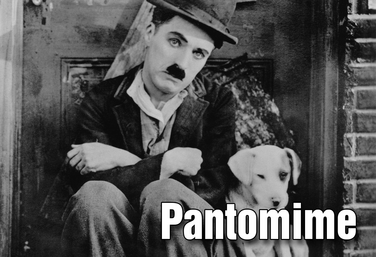
Pantomime
by Karen Loftus
In this unit, students will explore nonverbal communication: first, through body language and gesture, and then through the specific art of pantomime. Students will learn hand position, tension, follow-through, and action/reaction/interaction with objects through warm-up games and exercises. The unit culminates in a two-person pantomime performance.
UNIT
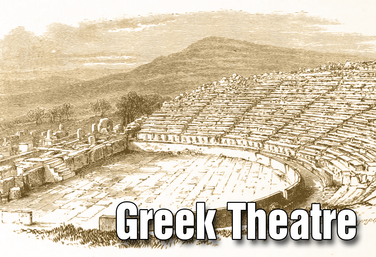
Ancient Greek Theatre
by Karen Loftus
This unit on Ancient Greek theatre focuses on the function of the chorus, the choral ode, and the details of the theatre space. It touches on plays and playwrights of the era, culminating in a final project of a modern version of Medea that includes a choral ode.
UNIT
Musical Theatre
by Anna Porter
Musical Theatre has two components that separate it from straight plays: song and dance. This unit gives students the opportunity to try out both. In musical theatre, music signifies heightened emotion. We can’t express ourselves with just words, we need music (and through extension, song and dance) to take it further.
This unit includes three lesson plans:
1. Acting the Song - “Musical Tactics”
2. Acting the Song - “Textual Analysis”
3. Introduction to Dance
A solo performance assignment is also included, and the unit includes assessment tools - rubrics, reflections, and self-evaluations.
UNIT
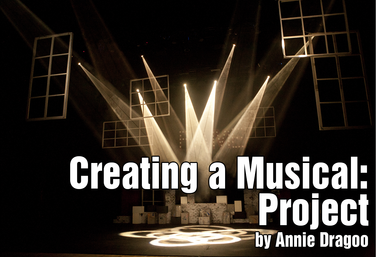
Creating a Musical: Project
by Annie Dragoo
Want a fun project that has your students collaborating and creating? In this unit by Annie Dragoo, students in groups will write and perform an original musical by adding modern songs to a traditional fairy tale story.
The six lessons take students from writing their script, to choreography and planned movement, to rehearsing, performing and evaluation.
The Rubric will focus on student performance. That means vocal delivery, emotional delivery, blocking/choreography, energy, focus, and characters.
UNIT
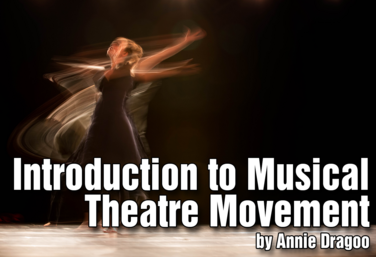
Introduction to Musical Theatre: Movement
by Annie Dragoo
Musical theatre performers use their bodies to sing, to dance, and to act. We must think of our bodies as instruments and learn to use our instruments properly in order to be better musical theatre performers.
The overall objective with this unit, by Annie Dragoo, is for students to demonstrate an understanding of the use of good movement as it connects to musical theatre. Some of the activities include using action verbs, moving as animals and inanimate characters, nonverbal communication and situational movement. Students will then perform a scene that will allow them to put to practice all the movement techniques they have learned.
UNIT
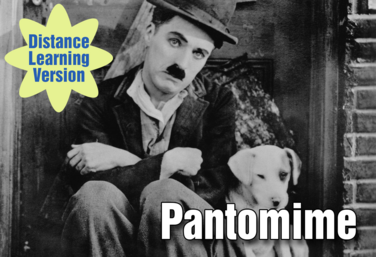
Pantomime
by Lindsay Price and Karen Loftus
In this unit, students will explore nonverbal communication. First through body language and gesture, and then through the specific art of pantomime. Students will learn hand position, tension, follow-through, and action/reaction/interaction with objects through warm-up games and exercises. The unit culminates in a one-person pantomime performance.
UNIT
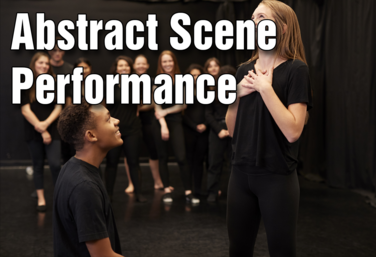
Abstract Scene Performance
by Annie Dragoo
In this unit, students will create and perform an abstract theatre scene. Abstract is a genre that does not rely on realism and deliberately breaks the rules of a given form. In the case of theatre, this refers to the commonly presented rules of performance, acting, and the relationship with the audience. Movement is often stylized and symbolic. Ideas and themes are expressed visually and aurally with little dialogue using music, lights, costumes, and props.
View all Standards for Alberta, Canada Standards Master List